
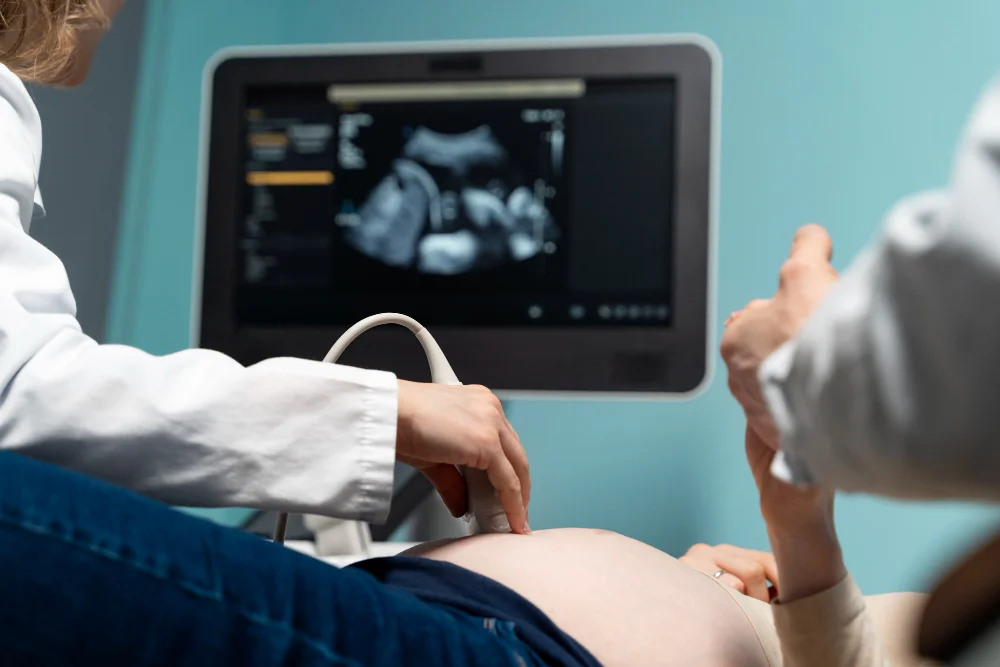
Pregnancy is an exciting journey, but it also comes with many questions and concerns about the baby’s health. One of the most crucial scans during pregnancy is the anomaly scan, which helps assess the baby’s development and detect potential abnormalities early. Conducted between 18 to 22 weeks of pregnancy, this detailed ultrasound provides vital information about the baby’s organs, bones, and overall growth.
In this blog, we’ll discuss what an anomaly scan is, why it’s important, what it detects, and how it ensures a healthy pregnancy for both mother and baby.
What is an Anomaly Scan?
An anomaly scan, also known as the mid-pregnancy scan or Level 2 ultrasound, is a detailed ultrasound examination performed between 18 to 22 weeks of pregnancy. It provides a thorough assessment of the baby’s anatomy, checking for structural abnormalities and developmental concerns.
During the scan, a high-resolution ultrasound machine creates detailed images of the baby’s internal organs, spine, brain, heart, limbs, and face. This allows doctors to confirm normal development or identify potential concerns that may require further monitoring or medical intervention.
Why is an Anomaly Scan Important?
The anomaly scan is one of the most crucial prenatal tests, providing critical information about the baby’s health. Here’s why every pregnant woman should have this scan:
1. Detects Structural Abnormalities
The primary purpose of an anomaly scan is to check for structural defects in the baby’s organs and bones. It can detect conditions such as spinal abnormalities (spina bifida), heart defects, cleft lip, missing or underdeveloped organs, and limb deformities. Early detection allows doctors to plan appropriate care or treatment after birth.
2. Assesses Baby’s Growth & Development
The scan measures the baby’s head, abdomen, and limbs, ensuring that growth is progressing as expected. If there are concerns about restricted growth or developmental delays, doctors can monitor the pregnancy more closely.
3. Evaluates Amniotic Fluid Levels & Placenta Health
Amniotic fluid is essential for fetal development and movement. Too much or too little fluid can indicate potential complications. The scan also checks the placenta’s position and function, ensuring that it is not blocking the cervix (placenta previa), which could lead to delivery complications.
4. Detects Neural Tube Defects
Conditions like spina bifida (a spinal cord defect) and anencephaly (severe brain malformation) can be identified during this scan. Early detection helps parents and doctors prepare for potential challenges and specialized care if needed.
5. Identifies Congenital Heart Defects
Heart development is one of the most critical aspects of fetal health. The anomaly scan helps detect congenital heart defects (CHDs), valve abnormalities, and blood flow issues, ensuring timely referrals to pediatric specialists if needed.
What Does the Anomaly Scan Check?
The anomaly scan is a comprehensive evaluation of the baby’s organs, structures, and overall health. Some of the key areas examined include:
Head & Brain – Checks for proper brain development and detects abnormalities like hydrocephalus (fluid buildup in the brain).
Face & Cleft Lip – Ensures proper formation of the baby’s nose, lips, and facial structures.
Spine & Limbs – Detects spinal defects like spina bifida and ensures proper bone development in the arms and legs.
Heart & Circulatory System – Examines the heart’s chambers, valves, and blood flow to detect congenital heart defects.
Kidneys & Bladder – Ensures the kidneys are functioning properly and that urine is flowing into the bladder.
Abdomen & Digestive System – Checks for blockages, missing organs, or abnormal intestinal development.
Placenta & Amniotic Fluid Levels – Assesses the placenta’s position and ensures adequate amniotic fluid for baby’s movement and growth.
Is an Anomaly Scan Safe?
Yes, an anomaly scan is completely safe for both mother and baby. It uses high-frequency sound waves to create images of the baby, with no radiation exposure. The procedure is painless and non-invasive, taking about 20 to 40 minutes, depending on the baby’s position.
If certain areas are not clearly visible, the doctor may recommend a follow-up scan to get a better view of the baby’s anatomy.
What If an Abnormality is Found?
If the anomaly scan detects a potential issue, the doctor may recommend:
- Further diagnostic tests – Additional ultrasounds, fetal echocardiography, or genetic testing (like amniocentesis) may be suggested.
- Close monitoring – Some abnormalities require regular follow-up scans to track the baby’s growth and progress.
- Specialized care after birth – If a condition is confirmed, a team of specialists may be involved in planning early treatment options or surgery after delivery.
Many abnormalities detected in an anomaly scan can be managed or treated, so it’s important for parents to remain informed and work closely with their healthcare provider.
Common Myths About Anomaly Scans
Myth 1: The Anomaly Scan is Only for Gender Determination
Reality: While the scan may reveal the baby’s gender, its primary purpose is to assess the baby’s health and detect abnormalities.
Myth 2: A Normal Anomaly Scan Means No Risks Later
Reality: While a normal scan is reassuring, some conditions may develop later in pregnancy, requiring further monitoring.
Myth 3: The Scan is Only Necessary for High-Risk Pregnancies
Reality: Every pregnant woman should have an anomaly scan to ensure proper fetal development, regardless of risk level.
Final Thoughts
The anomaly scan is one of the most important prenatal tests, offering a detailed assessment of fetal health and helping doctors detect any concerns early. By providing essential information about organ development, growth patterns, and potential birth defects, this scan ensures that both mother and baby receive the best possible care.
At Dr. Choudhari’s Vedanta Diagnostics, we use advanced ultrasound technology for high-precision anomaly scans, ensuring accurate results and expert guidance throughout pregnancy.